
Lifelong skill,
forged in lifelike scenarios.
Readiness Empowered.
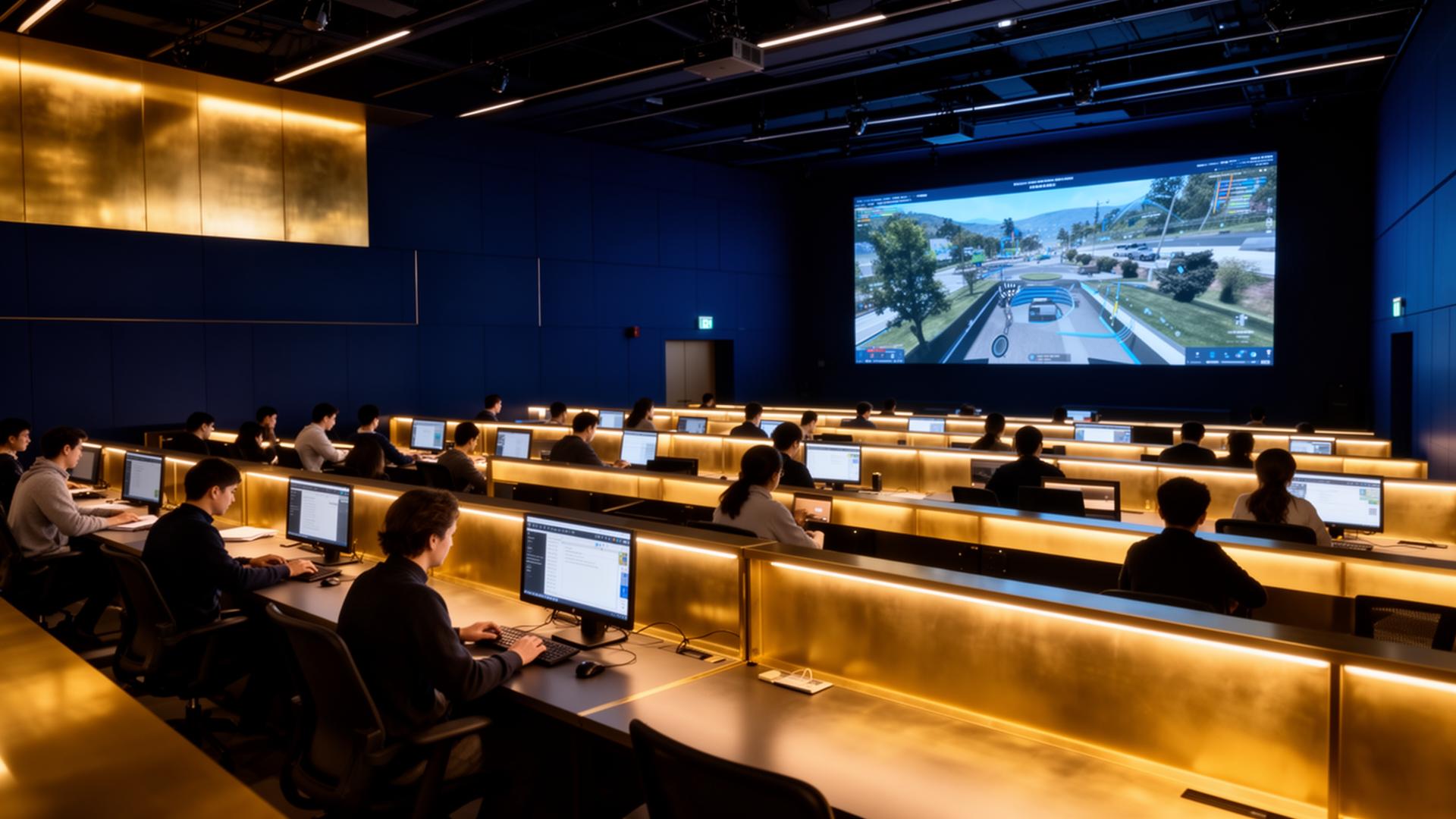
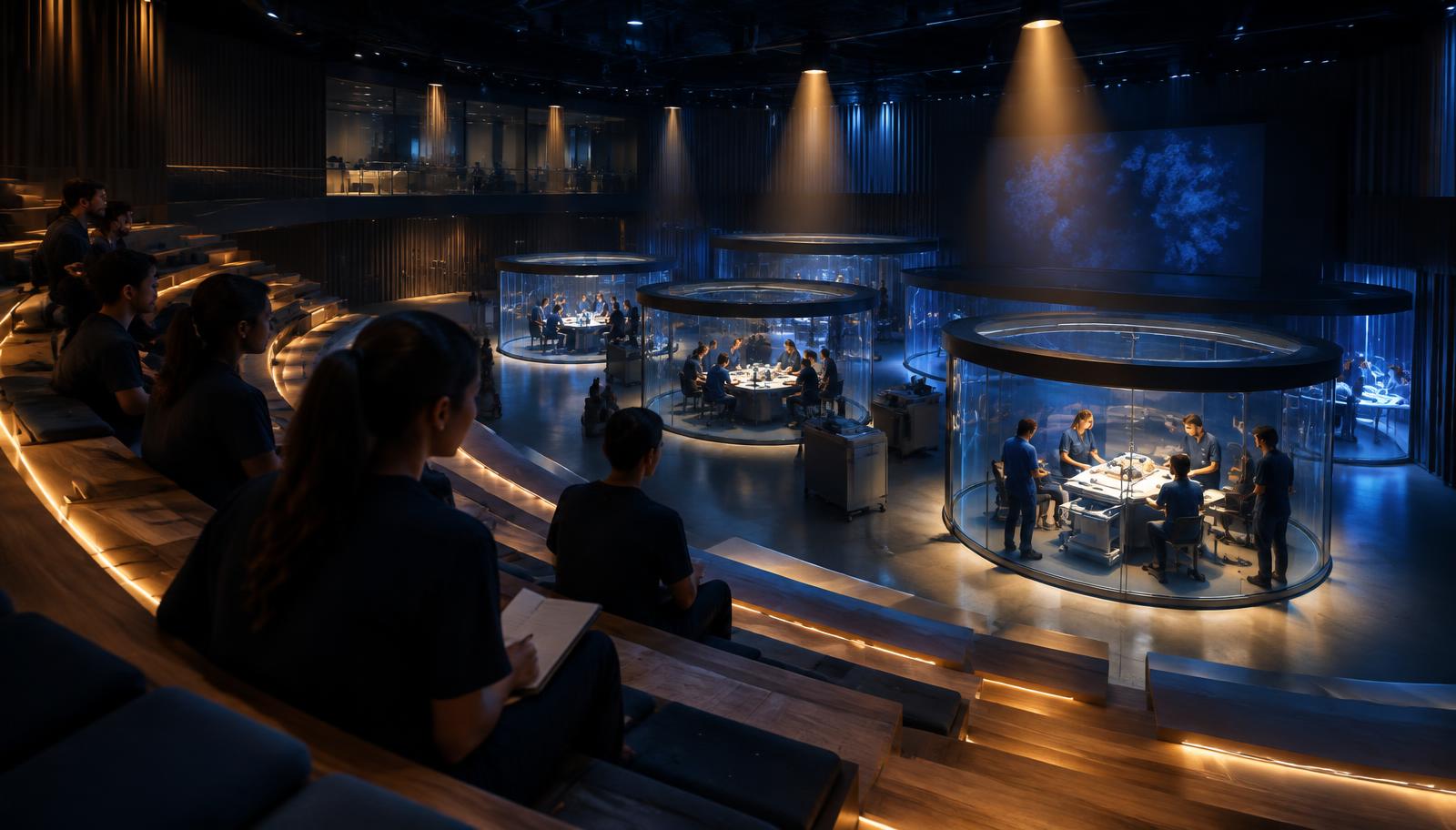
Infiniqo helps universities and professional schools graduate day-one-ready practitioners through immersive learning and simulation-based curricula that develop critical thinking, collaboration and leadership the modern workplace demands.
Buyer profiles
Built for the people on the line.
For institutional leaders and program sponsors translating learning into measurable, fundable impact.
Outcomes
What changes.
Every Infiniqo engagement is engineered around outcomes you can defend in front of a board, an inspector, or your own conscience.
I
Day-One Readiness
Move learners from theoretical to experiential mastery.
II
Curricular Differentiation
A signature program that defines your institution.
III
Faculty Leverage
Scale expert pedagogy without scaling expert hours.
IV
Outcomes Evidence
Longitudinal data that proves learning, not just attendance.
Scenarios
A sample of the work.
- 01Healthcare and dental clinical reasoning
- 02Engineering safety and incident analysis
- 03Business leadership under uncertainty
- 04Public service and emergency response
- 05Cybersecurity and digital ethics
Frequently asked
Questions, answered.
Question 01
What age groups or academic levels do you serve?
We work with professional schools, undergraduate programmes and executive education. The scenario complexity, ethical stakes and collaboration demands scale to the cohort — a first-year nursing scenario is not a carbon copy of a final-year one.
Question 02
How do you align simulations with existing curricula?
We begin with a curriculum-mapping workshop: your learning objectives, assessment rubrics and accreditation requirements. Then we reverse-engineer scenarios that hit those exact outcomes, so simulation is not an add-on but a structural pillar.
Question 03
What platforms and delivery modes do you support?
We deliver in VR, desktop, hybrid and facilitated tabletop formats. The modality depends on your infrastructure, budget and learning objective. Sometimes the lowest-fidelity format teaches the highest-level thinking.
Question 04
How do you measure and report learning outcomes?
Our analytics layer tracks decision latency, collaboration patterns, reflective depth and knowledge-application accuracy. Faculty receive dashboards; administrators receive summary reports aligned to accreditation standards.
Question 05
Can faculty create and customize their own scenarios?
Yes. We provide an authoring environment with templated scenario skeletons, branching logic tools and assessment rubric builders. Most faculty are publishing custom scenarios within a single semester of training.
Question 06
What is the typical implementation timeline?
Pilot to full rollout is usually one academic term. We run a diagnostic in week one, deliver the first module in week three and iterate based on learner and faculty feedback through week twelve.
Question 07
What scenarios are covered?
Representative scenarios include: Healthcare and dental clinical reasoning; Engineering safety and incident analysis; Business leadership under uncertainty; Public service and emergency response; Cybersecurity and digital ethics.
- We work with professional schools, undergraduate programmes and executive education. The scenario complexity, ethical stakes and collaboration demands scale to the cohort — a first-year nursing scenario is not a carbon copy of a final-year one.
- We begin with a curriculum-mapping workshop: your learning objectives, assessment rubrics and accreditation requirements. Then we reverse-engineer scenarios that hit those exact outcomes, so simulation is not an add-on but a structural pillar.
- We deliver in VR, desktop, hybrid and facilitated tabletop formats. The modality depends on your infrastructure, budget and learning objective. Sometimes the lowest-fidelity format teaches the highest-level thinking.
- Our analytics layer tracks decision latency, collaboration patterns, reflective depth and knowledge-application accuracy. Faculty receive dashboards; administrators receive summary reports aligned to accreditation standards.
- Yes. We provide an authoring environment with templated scenario skeletons, branching logic tools and assessment rubric builders. Most faculty are publishing custom scenarios within a single semester of training.
- Pilot to full rollout is usually one academic term. We run a diagnostic in week one, deliver the first module in week three and iterate based on learner and faculty feedback through week twelve.
- Representative scenarios include: Healthcare and dental clinical reasoning; Engineering safety and incident analysis; Business leadership under uncertainty; Public service and emergency response; Cybersecurity and digital ethics.